

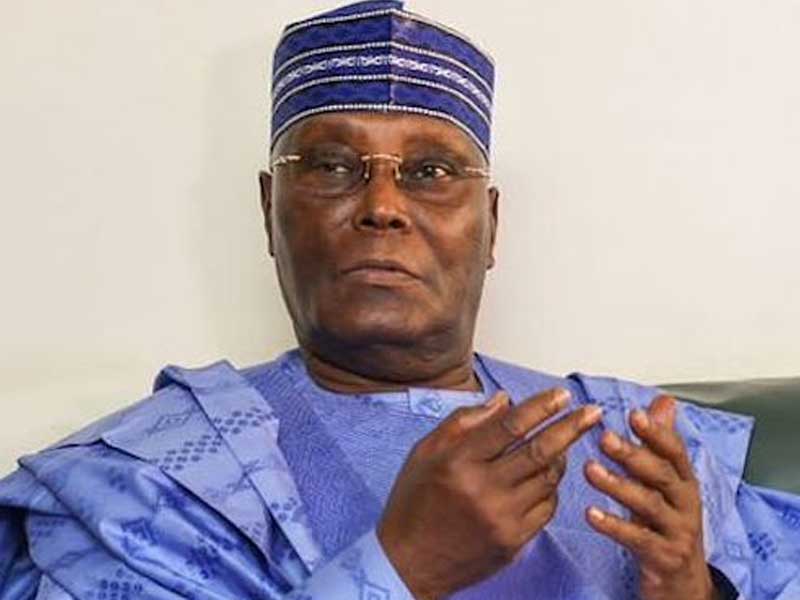
The ‘Last Shot’ Narrative: An Examination of Atiku Abubakar’s 2027 Presidential Bid
The political landscape of Nigeria is once again shaped by the enduring ambition of one of its most prominent figures, former Vice President Atiku Abubakar. His recent confirmation of intent to contest the 2027 presidential election, potentially at the age of 81, reignites a national conversation about leadership, succession, and the future of the country’s democracy. This analysis examines the multifaceted motivations behind this bid, which extends a political pursuit that began in 1993. Framed by Atiku himself as a “last shot,” this endeavor involves a strategic move towards the African Democratic Congress (ADC) as a potential platform to build a formidable opposition coalition, signaling a potential departure from his long-standing affiliation with the People’s Democratic Party (PDP).
The Motivation: Personal Legacy versus National Interest
At the core of Atiku Abubakar’s persistent presidential aspirations lies a complex interplay between the desire to solidify a personal legacy and a stated commitment to national service. The drive to culminate a political journey spanning over three decades is a powerful personal motivator. Proponents argue that his extensive experience as a former Vice President and a perennial candidate equips him with the unique institutional knowledge required to stabilize a nation facing significant economic and security challenges. The political persona of the ‘Waziri of Adamawa’ is rooted in a traditional authority that projects influence and a capacity for national-level negotiation and patronage. However, critics question whether this ambition serves the broader national interest, which many believe requires new leadership and innovative governance models to address contemporary problems.
The Platform Shift: The Strategic Importance of the ADC
The potential move to the African Democratic Congress (ADC) is a calculated strategic decision, reflecting the fluid and often personality-driven nature of Nigerian political party structures. Recognizing the fractured state of the opposition following the 2023 elections, this shift appears to be an attempt to create a unified front. The objective is to consolidate various political forces, including those aligned with prominent figures like Peter Obi and Rabiu Kwankwaso, into a single, cohesive coalition capable of challenging the ruling party. This maneuver underscores a pragmatic approach to politics, where party platforms are often viewed as vehicles for achieving electoral power rather than rigid ideological institutions.
Ambition versus Institutional Stability: The Costs of Persistent Candidacy
While individual ambition is a driving force in any democracy, the phenomenon of recurring candidacies in Nigeria raises critical questions about its impact on institutional stability and democratic development. The continued presence of established political figures can inadvertently stifle the emergence of new leadership talent, creating a bottleneck that limits political mobility for younger generations. This dynamic raises fundamental questions regarding whether political parties function as public institutions designed for ideological aggregation and leadership development or as personal vehicles for individual ambition. Furthermore, the early onset of campaigning, anticipated for 2026, often diverts national attention and resources from pressing governance issues, highlighting a significant weakness in Nigeria’s democratic framework: the absence of robust succession planning within its political institutions.
Strengthening Institutional Capacity Beyond Individuals
The Council on African Security and Development (CASADE) posits that sustainable governance requires robust systems that are not dependent on charismatic or singular “savior” figures. The long-term stability of a nation is better secured by strengthening institutional capacity through vibrant internal party democracy and a commitment to policy-driven leadership. When political processes are transparent and meritocratic, they foster the development of a wider pool of qualified leaders, reducing the system’s reliance on any single individual. The transition from personality-centric politics to a culture of policy-driven governance is essential for building a resilient and predictable democratic state.
The Intergenerational Gap in Nigerian Leadership
Atiku Abubakar’s 2027 bid accentuates the significant intergenerational gap between Nigeria’s aging political class and its overwhelmingly youthful electorate. This demographic disparity creates a palpable tension, as the aspirations and priorities of a younger generation often feel disconnected from the political establishment. While the ‘Not Too Young to Run’ movement has made legislative strides, its practical impact remains limited in a political environment dominated by veteran figures. An effective path forward requires building a functional bridge between generations, where experienced politicians actively mentor and create pathways for their successors, ensuring a transfer of institutional knowledge and fostering a more inclusive and representative political system.

The Zoning Debate and the 1999 Constitution: A Security Perspective
A central and contentious issue surrounding Atiku Abubakar’s candidacy is the informal political principle of ‘zoning,’ or the rotational presidency between Nigeria’s northern and southern regions. This convention, while not enshrined in law, has been a cornerstone of efforts to maintain national unity and balance in a multi-ethnic state. Atiku, a northerner, would be contesting after the tenure of two successive northern presidents, which contravenes this informal agreement. In response, he has proposed a constitutional amendment to formally institute a single, six-year rotational presidency. This proposal brings to the forefront the tension between the legal reality—the 1999 Constitution’s silence on rotation—and a deeply ingrained political tradition considered vital for national stability.
Unity and Stability in a Multi-Ethnic State
From a security standpoint, the perception of regional marginalization is a significant driver of conflict and separatist sentiments in Nigeria. The ‘Federal Character’ principle was established to ensure equitable representation in public service, and the informal zoning agreement for the presidency serves a similar function at the highest level of power. Any deviation from this convention risks exacerbating feelings of exclusion, which can threaten internal security and social cohesion. From CASADE’s perspective, inclusive governance is a primary instrument for conflict mitigation and the reinforcement of national cohesion, making the resolution of the zoning debate critical for Nigeria’s long-term stability.
Constitutional Reform as a Path Forward
Atiku’s proposal for a single six-year term and a constitutionally mandated rotational presidency is presented as a structural solution to the “do-or-die” nature of Nigerian presidential politics. Such a reform aims to reduce the intense competition for power by making the path to the presidency more predictable and equitable across regions. However, the feasibility of achieving such a significant constitutional amendment before the 2027 elections is a subject of intense debate. It would require broad political consensus across party and regional lines, a challenging prospect in Nigeria’s highly competitive political environment. Nevertheless, the proposal itself elevates the discourse towards structural changes that could fundamentally enhance governance.
Corruption, Integrity, and the 2027 Governance Landscape
As the 2027 election cycle approaches, the evaluation of candidates must extend beyond political promises to a rigorous assessment of their demonstrated commitment to anti-corruption and institutional integrity. Nigeria’s development has been persistently hindered by systemic corruption, making transparency and accountability paramount concerns for the electorate. Any credible candidate must be scrutinized based on their personal history and their proposed frameworks for tackling graft. This prompts an examination of evolving voter priorities, specifically whether concerns over institutional integrity are beginning to supersede traditional ethnic and regional allegiances. Civil society organizations, including CASADE, play a vital role in monitoring these dynamics and advocating for governance frameworks that prioritize transparency.
Building Anti-Corruption Frameworks for the Next Administration
An effective anti-corruption implementation framework for the 2027 administration must encompass several key elements: strengthening the independence and funding of anti-graft agencies, implementing robust asset declaration and verification systems, and ensuring the autonomy of the judiciary to hold the executive arm accountable. These measures are not merely domestic policy points; they are fundamental to international confidence. A direct correlation exists between the perceived integrity of a nation’s institutions and its ability to attract and retain substantive foreign direct investment. Without a demonstrable commitment to a rules-based, transparent system, economic diversification and growth will remain constrained.
Economic Development and the Cost of Corruption
The link between corruption and underdevelopment is undeniable. Systemic financial leakages divert public funds intended for critical infrastructure, healthcare, and education, thereby perpetuating poverty and inequality. Transparent leadership is a prerequisite for sustainable development because it ensures that national resources are allocated efficiently and for the public good. The central challenge for Nigeria’s president in 2027 will be to prioritize deep institutional reform over the entrenched system of political patronage. Success in this endeavor will determine the nation’s ability to unlock its immense economic potential and improve the quality of life for its citizens.
Beyond the Ballot: Securing Nigeria’s Future Through Collective Action
Ultimately, the discourse surrounding the 2027 election must transcend the focus on individual candidates to address the more fundamental question of governance methodology. The pertinent question is not simply “Who will win?” but rather, “How will Nigeria be governed effectively?” The answer lies in collective action and a shared commitment to building resilient, transparent, and accountable institutions. Forums like the International Conference on African Security are crucial for shaping this discourse, bringing together experts to deliberate on the frameworks that can ensure stability and progress. At CASADE, our mission is to help design and implement such frameworks—systems of governance that can outlast any single presidency and serve the enduring interests of the nation.
The Role of Research and Policy Briefs in Election Cycles
In a political environment often dominated by rhetoric, data-driven insights and rigorous analysis are indispensable tools for accountability. CASADE’s research and policy briefs are designed to challenge political narratives with empirical evidence, helping policymakers, journalists, and the public focus on long-term solutions for stability and development. By encouraging evidence-based policymaking, we aim to ensure that the manifestos and platforms for the 2027 election are grounded in realistic assessments of Nigeria’s challenges and opportunities, moving the conversation from personality to policy.
*Image credit: Thisday.