
CASADE POLICY PAPER
This comprehensive analysis examines the evolving maritime security landscape of the Gulf of Guinea, highlighting how institutional capacity building and anti-corruption frameworks are essential for securing a prosperous and stable future for West and Central African coastal communities.
Understanding the Gulf of Guinea Maritime Landscape
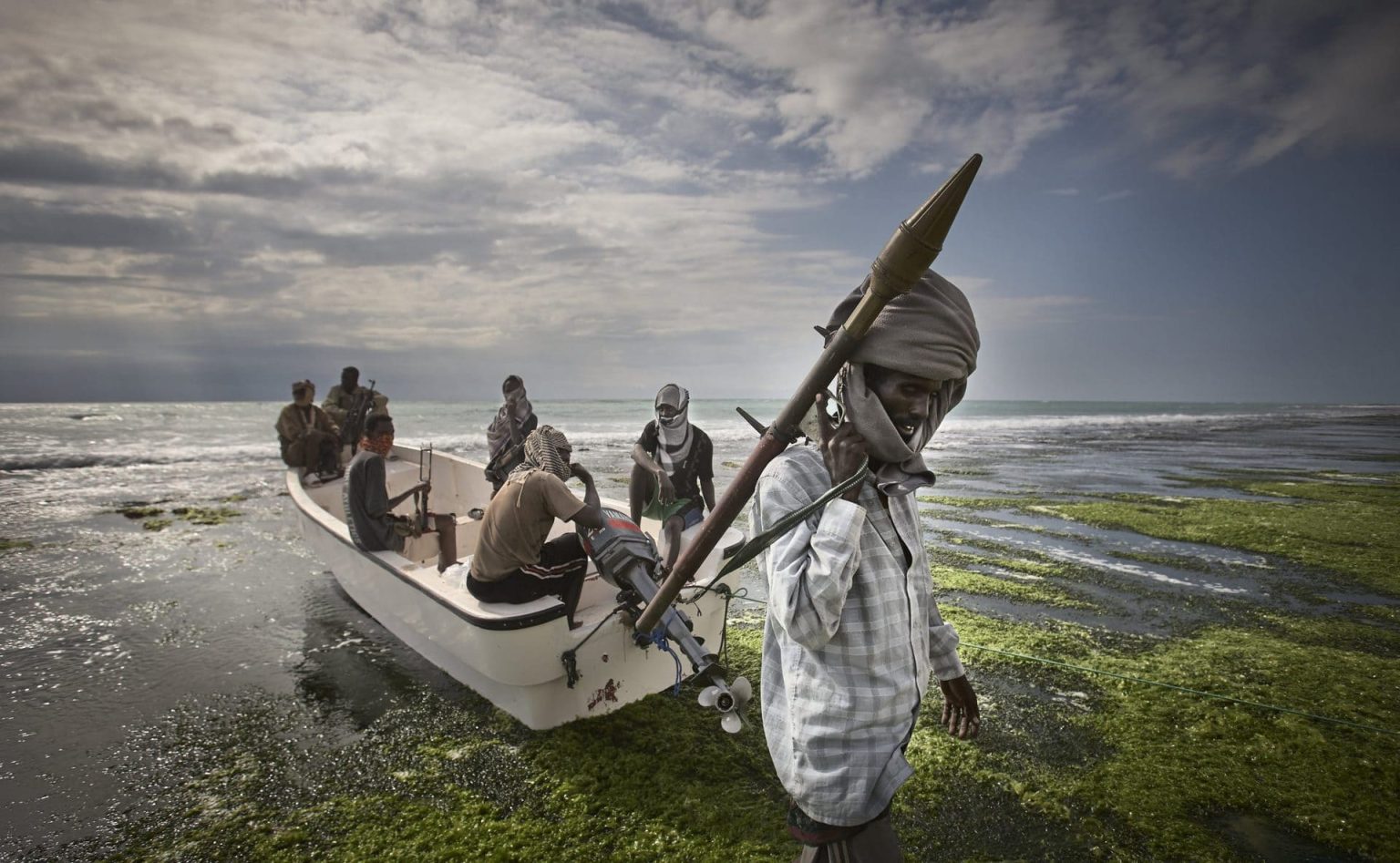
The Gulf of Guinea, a vast and strategic maritime corridor stretching approximately 6,000 kilometers from Senegal to Angola, represents the economic lifeblood of coastal West and Central Africa. With an estimated 90% of the region’s international trade—imports and exports—transiting these waters, its security is inextricably linked to regional prosperity and global commerce. For years, the international narrative was dominated by the region’s status as an epicenter for maritime piracy. However, a concerted effort by regional states and their international partners is facilitating a significant shift in this narrative, moving from a perception of a “piracy hotspot” to a zone of emerging blue economic opportunity. This evolution underscores the critical human element of this domain, where maritime security directly impacts the livelihoods, food security, and stability of millions of residents in coastal states.
The Strategic Importance of West African Waters
The strategic value of the Gulf of Guinea extends far beyond regional trade. The region holds significant global energy reserves, accounting for an estimated 4.5% of the world’s proven oil reserves and 2.7% of its natural gas reserves. Furthermore, it serves as a crucial global transit hub for strategic minerals essential for modern industry, including cobalt and manganese. The year 2026 marks a critical juncture for the region, representing a turning point where the successes of counter-piracy operations must be consolidated into a broader, more resilient framework for maritime governance that can foster sustainable trade and investment.
What is Maritime Security in the African Context?
In the African context, and particularly for the Gulf of Guinea, “maritime security” has evolved beyond a narrow military definition. It is now understood as a comprehensive framework for the protection of a state’s territorial integrity, its marine resources, and its population from the full spectrum of illicit sea-based activities. This represents a paradigm shift from reactive, military-only responses to an integrated approach that combines law enforcement with sustainable development. CASADE defines this nexus as the point where effective security governance at sea enables and protects economic development and human security on land, creating a virtuous cycle of stability and growth for coastal states.
Beyond Piracy: The Evolving Threat Matrix in 2026
While the significant decline in piracy incidents—a reduction of over 90% since the peak around 2020—stands as a major success story for regional cooperation, the threat matrix in the Gulf of Guinea has become more complex and diversified. The security challenges of 2026 are multifaceted, encompassing pervasive illegal, unreported, and unregulated (IUU) fishing; sophisticated trafficking networks; and emerging cyber threats to maritime infrastructure. These activities, though less visible than piracy, pose a profound and sustained threat to regional stability and economic development.
The Crisis of IUU Fishing and Food Security
Illegal, Unreported, and Unregulated (IUU) fishing has emerged as one of the most pressing maritime security challenges in the Gulf of Guinea. This illicit activity drains an estimated $2.3 billion annually from West African economies, severely undermining national revenues and sustainable resource management. The impact is most acutely felt by local artisanal fishing communities, who face depleted fish stocks and the loss of their primary source of livelihood and food security. This large-scale resource theft is a direct driver of long-term regional instability, exacerbating poverty and contributing to irregular migration patterns.
Trafficking and Transnational Organized Crime
The Gulf of Guinea’s strategic location has made it a significant transit point for transnational organized crime. It serves as a key corridor for narcotics, particularly South American cocaine destined for European markets. The illicit revenues generated from maritime trafficking are substantial and are known to fund land-based insurgencies and criminal networks in the Sahel and Nigeria, creating a dangerous sea-land crime nexus. Criminal organizations increasingly employ sophisticated methods, including the use of “ghost ships” that manipulate or disable their Automatic Identification System (AIS) to evade detection by naval and law enforcement authorities.

The Root Causes: Why Sea-Based Security Starts on Land
Effective and sustainable maritime security in the Gulf of Guinea cannot be achieved through offshore patrols alone; it requires addressing the land-based root causes that fuel maritime crime. The poverty-piracy nexus remains a critical factor, where high youth unemployment and lack of economic opportunity in coastal regions serve as primary recruitment drivers for criminal enterprises. These socio-economic vulnerabilities are compounded by significant governance gaps, as a weak rule of law and institutional fragility in coastal cities create a permissive environment for offshore lawlessness to flourish. Furthermore, land-based insurgencies and conflicts often spill over into the maritime domain, further complicating the security landscape of West Africa’s territorial waters.
Corruption and Institutional Fragility
A critical, and often overlooked, root cause is the “corruption leak,” where illicit financial flows and systemic graft undermine investments in naval and port security. Systemic corruption has a direct and debilitating impact on the operational readiness of naval forces, affecting everything from vessel procurement and maintenance to fuel allocation and personnel morale. Simultaneously, port-side bribery and collusion facilitate the entry of illicit goods, narcotics, and arms into the regional market, compromising national security. Applying proven anti-corruption frameworks, such as those developed by CASADE, to the maritime sector is essential for building the institutional integrity required to counter these threats effectively.
Socio-Economic Desperation in Coastal Communities
The history of the Niger Delta provides a powerful case study of how unresolved, oil-related maritime grievances and socio-economic desperation can fuel sustained insecurity. Decades of environmental degradation and economic exclusion created deep-seated resentment, which became a primary driver of militancy and piracy. This history demonstrates that “hard” security measures, such as naval deployments, are insufficient and often fail when not paired with credible alternative livelihood programs for coastal populations. The path to lasting security lies in creating a “shared future” where local communities are empowered and integrated into the security architecture, for instance, through community-led maritime monitoring programs.
Building Resilient Institutions: A Framework for Maritime Governance
The foundation of long-term maritime security in the Gulf of Guinea lies in the construction of resilient, transparent, and cooperative governance institutions. This involves strengthening regional security frameworks, enhancing judicial processes to ensure accountability, and fostering seamless inter-agency coordination. The strategic use of technology, from satellite monitoring to AI-driven data analysis, can act as a force multiplier, but its effectiveness is entirely dependent on the institutional capacity to act on the intelligence it provides.
Operationalizing the Yaoundé Architecture
The Code of Conduct Concerning the Repression of Piracy, Armed Robbery Against Ships, and Illicit Maritime Activity in West and Central Africa, commonly known as the Yaoundé Architecture, provides the cornerstone for regional cooperation. Established in 2013, this framework has been instrumental in fostering information sharing through its key centers, such as CRESMAO for West Africa and CRESMAC for Central Africa. However, significant challenges remain in harmonizing maritime laws across 19 sovereign states and bridging the “implementation gap” between policy and practice. Targeted institutional capacity building programs are vital to strengthen national and regional bodies, enabling them to fully operationalize the cooperative mechanisms of the Yaoundé Architecture.
Judicial Reform and Maritime Law Enforcement
A persistent challenge in the region is ensuring that an “arrest at sea” leads to a “conviction on land.” This requires a robust and specialized judicial system capable of prosecuting complex maritime crimes in accordance with international law, particularly the UN Convention on the Law of the Sea (UNCLOS). Strengthening judicial capacity involves dedicated training for judges and prosecutors on the intricacies of maritime law and evidence handling. Furthermore, developing and implementing stringent anti-corruption protocols within maritime law enforcement agencies is a prerequisite for building public trust and ensuring that justice is administered impartially and effectively.
Collaborative Pathways to a Secure African Coastline
Achieving a secure and prosperous maritime domain in the Gulf of Guinea requires a unified, multi-stakeholder approach. The future of regional stability hinges on leveraging the ocean as a source of sustainable growth, fostering innovative public-private partnerships, and ensuring that international support complements and strengthens African-led security initiatives. CASADE’s vision is to contribute to this future through rigorous research, actionable policy recommendations, and a steadfast commitment to institutional integrity.
Fostering a Sustainable Blue Economy
The concept of the Blue Economy offers a powerful catalyst for peace and prosperity by reframing the ocean as an engine for sustainable development. By investing in sectors such as sustainable aquaculture, eco-tourism, and marine renewable energy, coastal nations can create meaningful employment and reduce the economic desperation that drives maritime crime. A secure and well-governed maritime environment is a prerequisite for attracting the Foreign Direct Investment (FDI) needed for port modernization and infrastructure development. These efforts are directly linked to the success of the African Continental Free Trade Area (AfCFTA), as safe and efficient sea lanes are essential for intra-African trade to flourish.
A Call for Unified Action
The complex challenges facing the Gulf of Guinea demand a collective and sustained response from regional governments, civil society, the private sector, and international partners. Forums such as the International Conference on African Security provide a premier platform for stakeholders to forge common strategies and share best practices. The development of data-driven policy briefs is crucial for guiding national security strategies and ensuring that interventions are targeted and effective. Ultimately, achieving maritime security is not an end in itself, but a fundamental means to enabling human flourishing, economic development, and lasting stability across the African continent.
Frequently Asked Questions (FAQs)
What is the Yaoundé Architecture and why is it important for the Gulf of Guinea? The Yaoundé Architecture is a comprehensive regional framework established in 2013 by West and Central African states to enhance cooperation and information sharing for combating piracy and other illicit maritime activities. It is critically important because it provides the formal structure for coordinated naval patrols, intelligence exchange, and harmonized law enforcement efforts across the vast and diverse maritime space of the Gulf of Guinea.
Is piracy still the biggest threat to maritime security in West Africa in 2026? No. While piracy remains a concern, its incidence has dramatically decreased. In 2026, the most significant and economically damaging threats are Illegal, Unreported, and Unregulated (IUU) fishing, which depletes fish stocks and harms local economies, and the trafficking of narcotics, arms, and persons by transnational organized crime networks.
How does illegal fishing (IUU) affect the economy of the Gulf of Guinea states? IUU fishing has a devastating economic impact, costing the region an estimated $2.3 billion annually in lost revenue. It undermines the livelihoods of millions of people in artisanal fishing communities, compromises national food security, and deprives governments of legitimate income from licensing fees and taxes, hindering national development.
What role does corruption play in maritime insecurity? Corruption plays a central role by weakening the institutions responsible for maritime security. It diverts funds meant for naval equipment and operations, facilitates illicit activities in ports through bribery, and undermines the judicial process, allowing criminals to operate with impunity. Addressing corruption is fundamental to building effective maritime governance.
Can technology alone solve the maritime security challenges in Africa? Technology, such as satellite surveillance and AI-driven vessel tracking, is a powerful tool but cannot solve the challenges alone. Its effectiveness depends on the institutional capacity to analyze the data it provides and the operational ability and political will to act on that intelligence. Technology must be integrated into a broader strategy that includes institutional reform, judicial strengthening, and socio-economic development.
How can local communities contribute to maritime safety? Local coastal communities are vital partners in maritime security. They can act as a first line of intelligence, reporting suspicious activities through community-led monitoring networks. Furthermore, providing these communities with sustainable alternative livelihoods reduces the pool of recruits for criminal organizations, addressing a key root cause of insecurity.
What is the relationship between maritime security and the Blue Economy? Maritime security is the essential enabler of a sustainable Blue Economy. A safe, secure, and well-governed maritime domain attracts investment in sectors like sustainable fishing, aquaculture, maritime transport, and tourism. Without security, these economic opportunities cannot be realized, and the ocean cannot be leveraged as a driver for national and regional development.
How does CASADE support maritime security efforts in Africa? CASADE supports maritime security through specialized research, policy analysis, and the development of practical solutions. We provide expert-led institutional capacity building programs to strengthen naval and judicial bodies and offer tailored anti-corruption implementation frameworks to enhance transparency and integrity in the maritime sector.