
CASADE POLICY SERIES ON SECURITY
The Group of Twenty (G20) serves as the world’s premier forum for international economic cooperation, shaping global policy on finance, development, and security. As its agenda evolves to address increasingly complex challenges, its impact on emerging economies, particularly across the African continent, has become a critical area of focus. This analysis examines the structure and mission of the G20, its membership, the priorities of the upcoming 2026 Miami Summit, and the tangible implications for African development and institutional integrity.
What is the G20 Group of Nations? Origins and Core Mission
The G20 group of nations is the primary international body for addressing the major issues of the global economy. Its core mission is to foster global financial stability and promote sustainable, balanced economic growth among its members and worldwide. Key aspects of its foundation and purpose include:
- Established in 1999 in response to the Asian financial crisis, the G20 initially convened finance ministers and central bank governors to better integrate emerging market economies into global economic discussions.
- Following the 2008 global financial crisis, the G20 was elevated to include annual summits of Heads of State and Government, solidifying its role as the central hub for global economic governance.
- The group operates without a permanent secretariat, with a rotating presidency that sets the agenda for the year and hosts the Leaders’ Summit.
The Evolution of the G20 Agenda
While founded on macroeconomic principles, the G20’s agenda has broadened significantly to encompass interconnected global challenges. The policy development process is structured along two main tracks: the Finance Track, for finance ministers and central bank governors, and the Sherpa Track, which addresses a wider range of issues such as anti-corruption, development, health, and climate. This expansion has made the G20 a more comprehensive governance body than the G7, as its membership represents a larger share of the world’s population and economic output, granting it greater legitimacy and influence on a global scale.
According to G20 Group of Nations, this is a well-documented area of ongoing research and practical application.
G20 vs. Other Global Bodies
The G20’s influence stems from its unique, informal structure. Unlike formally constituted international organizations such as the United Nations or the International Monetary Fund (IMF), the G20 operates on consensus and political commitment rather than legally binding treaties. Its declarations and action plans function as “soft law,” setting global standards and guiding the policy direction of member states and other international bodies. For Africa, the G20’s influence is notably channeled through initiatives like the G20 Compact with Africa, which aims to promote private investment and sustainable infrastructure development on the continent.
Who are the Members of the G20 in 2026?
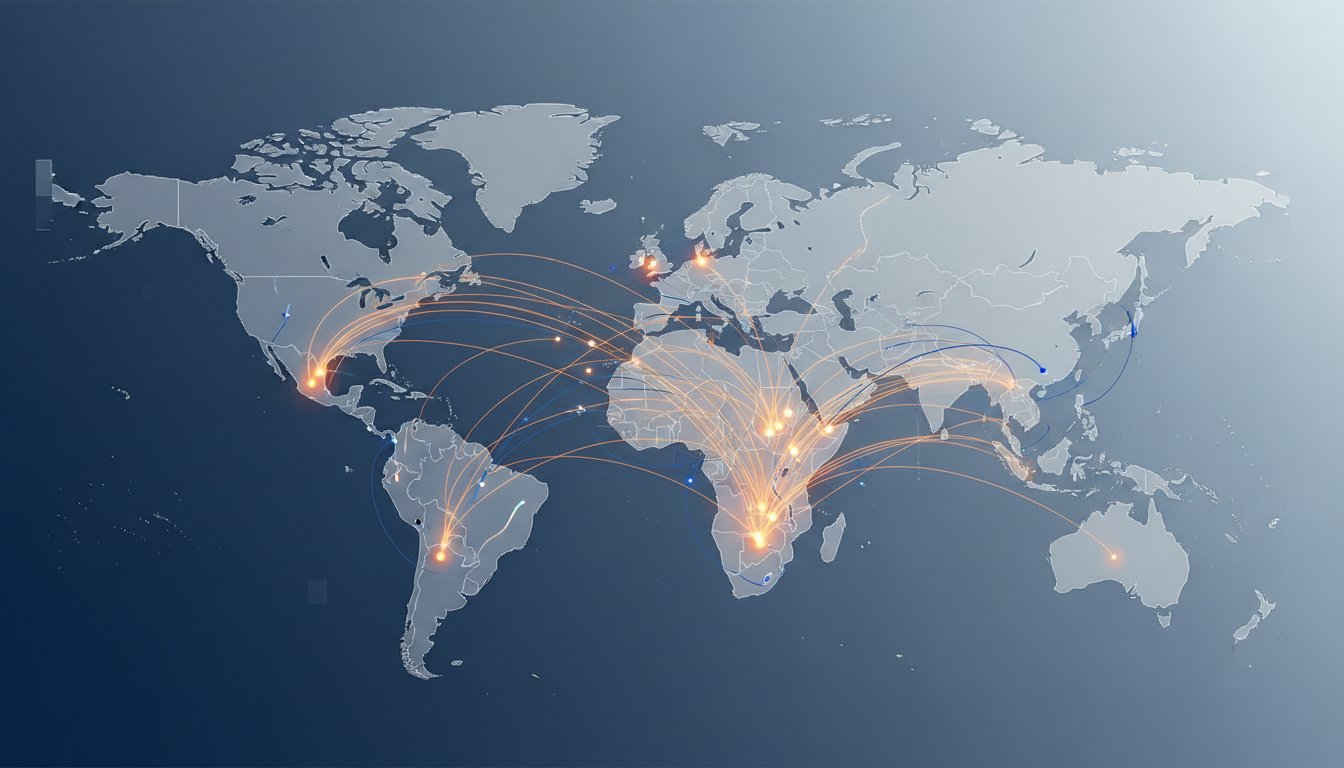
The G20 group of nations comprises 19 countries and two regional unions, collectively representing approximately 85% of global GDP, 75% of international trade, and two-thirds of the world’s population. The membership includes a mix of the world’s largest advanced and emerging economies, ensuring a diverse range of perspectives on global issues. The current members are:
- The 19 sovereign nations: Argentina, Australia, Brazil, Canada, China, France, Germany, India, Indonesia, Italy, Japan, Republic of Korea, Mexico, Russia, Saudi Arabia, South Africa, Türkiye, the United Kingdom, and the United States.
- The European Union, representing the collective economic interests of its member states.
- The African Union, which achieved permanent member status in 2023, marking a historic step toward more inclusive global governance.
The G20’s leadership is managed by a “Troika” system, which includes the immediate past, current, and incoming presidencies to ensure continuity in the group’s agenda.
Research published by G20’s Role in African Development shows that this is a well-documented area of ongoing research and practical application.
The Significance of the African Union (AU) Membership
The inclusion of the African Union as a permanent member fundamentally alters the geopolitical dynamics of the G20. The AU’s role in the G20 is to serve as the collective voice for 55 African nations, advocating for continental priorities and ensuring its development interests are integrated into global economic policy. Key areas of focus for the AU delegation include sovereign debt relief, closing the infrastructure investment gap, and strengthening regional security frameworks to foster economic stability. This new position provides the continent with an unprecedented platform to shape global standards and resource allocation.
Guest Invitees and Regional Representation
To enhance its inclusivity, the G20 presidency traditionally invites several guest countries to participate in its meetings and the annual summit. This practice ensures that a wider range of regional perspectives is considered. In addition, leaders of key international organizations, such as the World Bank, the International Monetary Fund (IMF), the OECD, and the World Health Organization (WHO), are regular participants. The research conducted by organizations like CASADE directly aligns with the objectives of invited African delegations, providing data-driven analysis to support their policy positions on security and governance.

Key Priorities: Security, Anti-Corruption, and Development
The G20’s agenda increasingly recognizes the inextricable link between economic prosperity, security, and good governance. Through dedicated working groups, the forum addresses critical non-financial issues that underpin sustainable development. The G20 Anti-Corruption Working Group (ACWG), for example, develops and promotes mandates to enhance transparency and integrity. This work is vital for the African continent, where illicit financial flows and systemic corruption present significant obstacles to security and growth. Other priorities, such as global health security and digital transformation, aim to build resilience and improve government transparency in a rapidly changing world.
Combatting Corruption on a Global Scale
A central pillar of the G20’s governance agenda is the fight against corruption. The group champions international standards for beneficial ownership transparency, which helps to unmask the individuals behind anonymous shell companies used for money laundering and tax evasion. It also promotes robust frameworks for asset recovery, enabling nations to reclaim wealth stolen by corrupt officials. For African countries, meeting these global standards requires significant institutional capacity building, a process that strengthens domestic governance and attracts credible international investment.
Research published by The African Union in the G20 shows that this is a well-documented area of ongoing research and practical application.
Security and Stability as Economic Drivers
The G20 has acknowledged that economic growth is impossible without a foundation of institutional security. Consequently, discussions have expanded to include the economic impact of regional conflicts, maritime piracy, and transnational organized crime. The immense economic cost of insecurity in regions like West and East Africa disrupts trade, deters investment, and undermines development efforts. By addressing these security challenges within an economic framework, the G20 helps to focus international efforts on creating the stable conditions necessary for long-term prosperity.
The 2026 G20 Miami Summit: What to Expect
In 2026, the United States will host the G20 Leaders’ Summit in Miami. The timing is significant, as it coincides with the 250th anniversary of American independence. The US presidency is expected to focus the agenda on core themes of driving technological innovation, strengthening global partnerships, and building economic resilience. From an African perspective, the US-led agenda will be scrutinized for its commitment to development finance, fair trade practices, and support for the continent’s growing role in global supply chains. The summit is anticipated to produce key outcomes on the reform of international financial institutions and coordination on global aid.
US Leadership and Global Partnerships
The Miami Summit is expected to see the United States attempt to return the G20 to its core economic mission, emphasizing market-driven growth and the role of the private sector. The agenda will likely prioritize the interests of American workers and strategic allies, framing global cooperation through the lens of economic competition and national security. This approach may create both opportunities and points of friction with African member states, particularly on issues of climate finance, technology transfer, and trade policy.
Actionable Intelligence for Stakeholders
For policymakers, development professionals, and private sector leaders, preparing for the outcomes of the Miami Summit is essential. Proactive engagement requires a deep understanding of the geopolitical and economic trends that will shape the agenda. The International Conference on African Security, hosted by CASADE, provides a critical platform for analyzing these trends and formulating strategic responses. Our pre-summit briefings and research reports offer the actionable intelligence stakeholders need to navigate the complexities of the 2026 G20 priorities.
Translating G20 Policy into African Progress: The CASADE Role
High-level declarations from G20 summits must be translated into effective, on-the-ground implementation to have a meaningful impact. CASADE plays a crucial role in bridging this gap. Our proprietary Anti-Corruption Implementation Frameworks are designed to align with G20 mandates on transparency and accountability, providing African institutions with the practical tools needed to meet global standards. Through peer-reviewed research published in the CASADE Journal of African Security and our targeted policy briefs, we empower African leaders with the data and analysis required to advocate for their interests on the world stage.
Download our latest Policy Brief on Global Governance and African Security
Building Institutional Capacity
Effective governance is the bedrock of a stable and prosperous Africa. CASADE’s institutional capacity building programs are tailored to strengthen the operational effectiveness and professional excellence of governmental and private entities. By enhancing skills in financial management, strategic planning, and ethical leadership, our training programs directly contribute to building the resilient institutions necessary to implement G20-backed reforms and secure a more prosperous future for the continent.
A Call for Collaborative Policy Analysis
The challenges facing Africa require collaborative, data-driven solutions. We invite policymakers, researchers, and international stakeholders to participate in the critical discourse on African security and development. Your insights, combined with our rigorous analysis, can shape a more effective and equitable global policy environment.