


Casade Series on anti-corruption measures.
Introduction
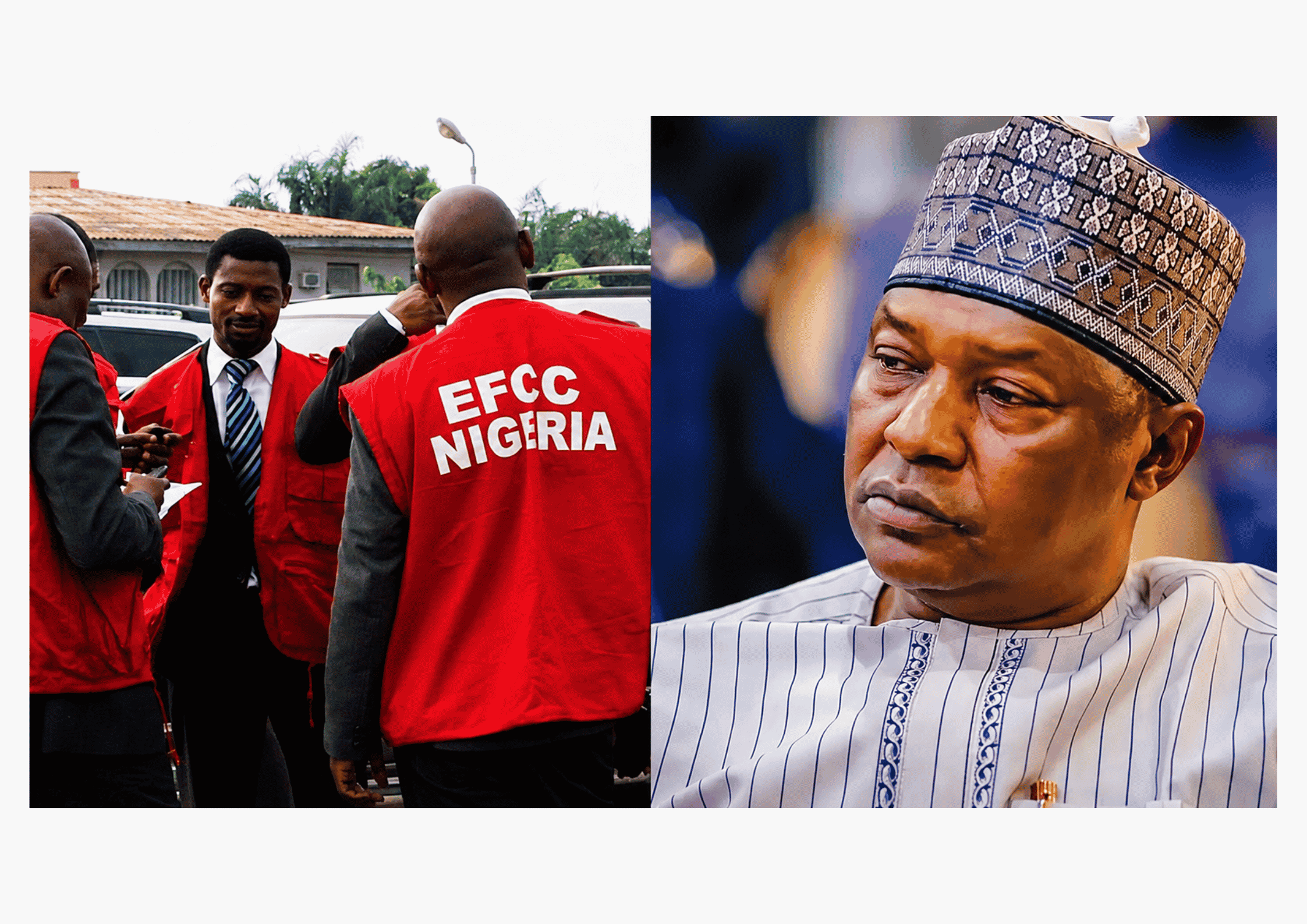
Nigeria’s Federal High Court in Abuja delivered a significant blow to high-level impunity on July 15, 2026, when Justice Joyce Abdulmalik ordered the final forfeiture of 48 out of 57 properties linked to former Attorney-General of the Federation Abubakar Malami (SAN), his family, and associated companies to the Federal Government. The assets, valued at approximately ₦213 billion, were ruled to be proceeds of unlawful activities following an EFCC investigation.
This ruling, building on an interim forfeiture order from January 2026, represents one of Nigeria’s most substantial recent asset recoveries. It provides a timely case study for African nations grappling with elite corruption, institutional independence, and the interplay between accountability and sovereignty.
The Case in Detail
The EFCC’s case targeted a vast portfolio of luxury and commercial assets acquired during or around Malami’s tenure. Properties span premium locations in Abuja (FCT), Kebbi, Kano, and Kaduna states, including hotels, educational facilities, factories, residential estates, and large land parcels.
Key forfeited assets (drawn from court schedules) include:
Abuja and Other Early Listings (examples): Luxury duplex at Amazon Street, Maitama (enhanced value ~₦5.95 billion); two-winged storey building at No. 3 Onitsha Crescent, Garki (formerly Harmonia Hotels, ₦7 billion); multiple Meethaq Hotels branches (e.g., Jabi branch ~₦8.4 billion, Maitama ~₦12.95 billion); various residential duplexes, terraces, shops, and plazas in Maitama, Asokoro, Wuse II, Gwarinpa, and Apo.
Academic Garden City, Birnin Kebbi (Khadimiyya for Justice & Development Initiative): Nine units of three-bedroom bungalows, three units of two-bedroom bungalows, and 5.4 hectares of land (acquired February–September 2023 for ₦187 million), among others.
Rayhaan University, Kebbi State:
- Permanent Site: ₦56 billion
- Temporary Site: ₦37.8 billion
- Third Site: ₦2.45 billion
- Vice Chancellor’s Residence: ₦490 million
Rayhaan Agro Allied Factory, Kebbi State:
- Factory Buildings: ₦4.2 billion
- Factory Machines and Plants: ₦10.5 billion
- Factory Mosque: ₦2.45 billion
- Staff Quarters: ₦1.4875 billion
- Bustan Building: ₦3.15 billion
Azbir Arena, Kebbi State:
- Azbir Hotel: ₦10.325 billion
- Printing Press: ₦1.05 billion
- Gallery, Gardens, Mosque, Clothing, Pharmacy & Supermarket (combined hundreds of millions)
Other Kebbi Properties: Al-Afiya Energy Tanker Garage (₦2.45 billion), Rayhaan Model Academy (₦11.2 billion), Rayhaan Primary and Secondary School (₦8.75 billion), security house, radio station, uncompleted plaza, Amasdul Oil & Gas filling station (₦1.05 billion), foundation buildings, and personal residences for Malami and his sons (Abdulaziz’s house ~₦1.659 billion; Abiru-Rahman’s ~₦2.989 billion).
Kano Properties: Zeennoor Hotel (131 rooms, ₦11.2 billion), associated mosque and old building, Rayhaan Hotel (₦2.24 billion), and Rayhaan Gym (₦1.225 billion).
The court held that Malami, family members, and companies failed to rebut the EFCC’s evidence of suspicious wealth. Nine properties were discharged, but the majority were permanently forfeited under Section 17 of the Advance Fee Fraud Act, with the focus on legitimacy of acquisition funds rather than title alone.
Significance for Nigeria and Africa
This outcome demonstrates the potency of civil forfeiture as a tool against grand corruption, bypassing some evidentiary hurdles of criminal trials. For Nigeria, it reinforces that public office should not equate to unchecked wealth accumulation and could deter similar conduct. Recovered assets, if transparently managed, offer potential for public reinvestment.
Yet, the case also exposes vulnerabilities: prolonged proceedings, questions of selectivity, and the immense scale of alleged unexplained wealth accumulated in public service. Consistent application across political lines remains essential for credibility.
Implications for Africa’s Democracy: Corruption hollows out democratic institutions by diverting resources from citizens and fostering patronage networks. High-profile forfeitures like this bolster public faith in the rule of law when institutions function independently. They exemplify how judiciaries and agencies can enforce accountability, a cornerstone of vibrant democracy. Across Africa, similar efforts (e.g., in asset tracing and recovery) are vital to counter democratic erosion.
Implications for Sovereignty: Successful domestic recovery asserts control over national resources and reduces dependence on international mutual legal assistance for repatriating looted funds. It strengthens sovereignty by demonstrating that African states can police their elites effectively. However, politicization risks could undermine this, inviting external scrutiny or domestic instability. Regional collaboration — through frameworks like the AU Convention on Preventing and Combating Corruption — could amplify impact while preserving national autonomy.
Conclusion and Recommendations
The Malami asset forfeiture is a milestone that highlights both progress and the unfinished work of institutional reform. For Africa, it affirms that combating corruption is integral to safeguarding democracy and sovereignty.
Recommendations for policymakers and reformers:
- Bolster the independence and capacity of anticorruption agencies.
- Enhance asset declaration systems with rigorous verification and public access.
- Ensure transparent management and community benefits from recovered assets.
- Advance continent-wide standards for forfeiture and illicit wealth tracing.
- Foster civil society and media oversight to sustain momentum.
By turning high-profile victories into systemic change, African nations can build more resilient, sovereign, and democratic futures.