




CASADE Policy Papers on Nigeria.
Nigeria’s presidential elections in 2027 represent a critical juncture for the nation’s democratic consolidation and regional stability. This analysis provides a comprehensive examination of the electoral roadmap, the prevailing security landscape, and the institutional frameworks required to ensure a transparent and credible process. The central thesis posits that the 2027 election is not merely a political contest between individuals, but a profound stress test for Nigeria’s institutional integrity and its entire security architecture. Success will be determined by the capacity of its democratic institutions to manage a complex electoral cycle while safeguarding the process against corruption and violence.
The Roadmap to 2027: Understanding the INEC Timetable and Legal Framework
The 2027 General Elections are a pivotal event in Nigeria’s ongoing democratic journey, offering an opportunity to build upon previous cycles and reinforce public trust in the electoral system. The Independent National Electoral Commission (INEC) is the constitutionally mandated body responsible for organizing and overseeing the elections. Its adherence to a clear and legally grounded timetable is fundamental to the process’s credibility. The concept of ‘Institutional Integrity’—the demonstrable commitment of electoral bodies, the judiciary, and security agencies to impartiality and the rule of law—serves as the cornerstone of a legitimate vote.
Key Dates and Milestones for the 2027 Cycle
While the definitive schedule is subject to official release, the electoral timeline is guided by the Nigerian Constitution and the Electoral Act. Key milestones will include the formal announcement of the election date, windows for party primaries, and deadlines for voter registration. The official campaign period, as stipulated by law, will define the timeframe for political canvassing. A critical factor for operational success is the timely approval and disbursement of INEC’s budget, which is essential to prevent the logistical failures that can undermine electoral integrity.
Constitutional Eligibility and the Presidential Field
The Constitution of the Federal Republic of Nigeria outlines specific requirements for presidential candidates concerning age, education, and citizenship. Furthermore, candidates must secure the nomination of a registered political party. The informal convention of ‘zoning,’ or the rotation of the presidency between the country’s main geopolitical zones, remains a significant factor in the political landscape and continues to influence national discourse on unity and equity. Strict adherence to these constitutional provisions is paramount to upholding the legal framework that protects the franchise of every Nigerian citizen.
Security Challenges and the Nexus of Regional Stability
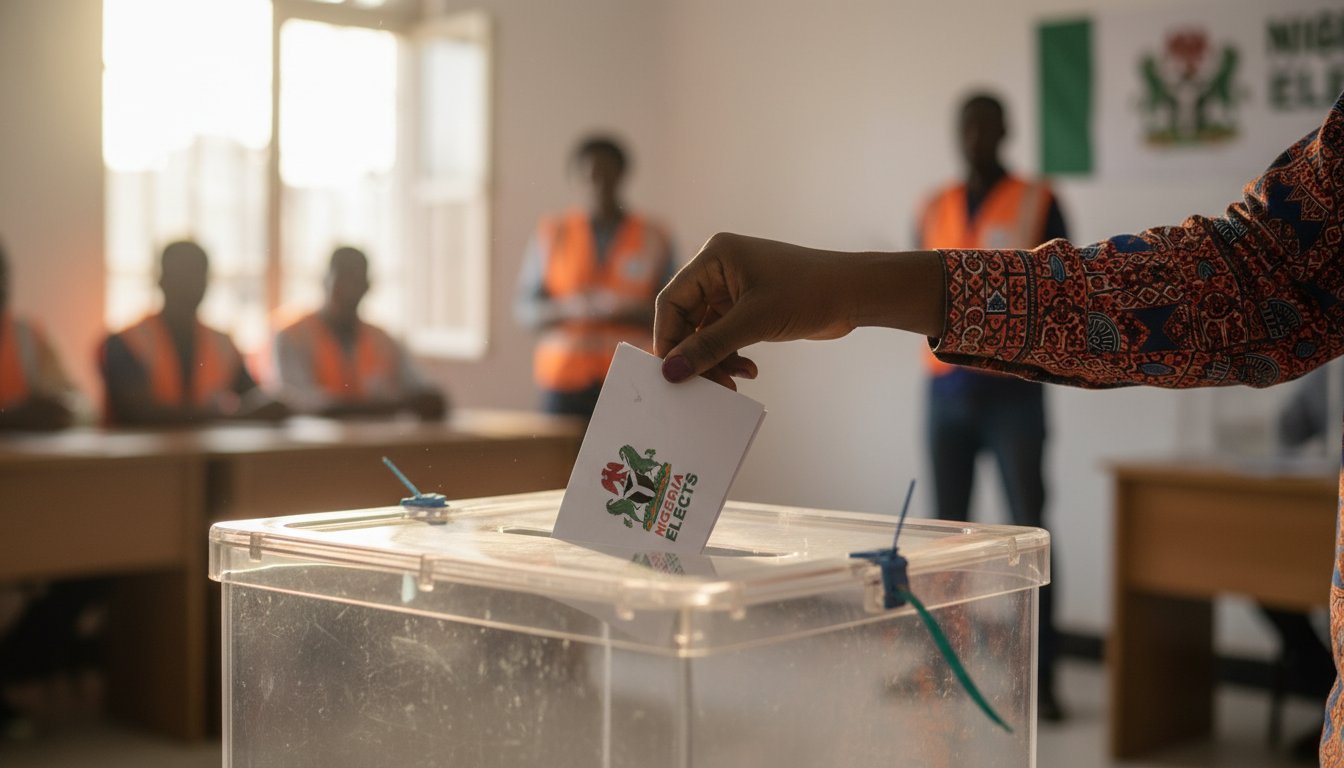
The security environment is a primary determinant of the viability of the Nigeria presidential elections in 2027. The nation currently contends with a multifaceted security landscape, including banditry in the North-West, insurgency in the North-East, and separatist agitations in the South-East. These localized conflicts directly impact electoral processes by threatening the safety of polling stations, election officials, and voters, which can lead to suppressed turnout and disenfranchisement. The Nigerian Police Force and the Armed Forces are tasked with securing the elections, and their operational conduct is crucial for maintaining public confidence. The stability of Nigeria’s election has significant implications for broader West African security and adherence to ECOWAS protocols on democracy and good governance.
Mitigating Violence in High-Risk Zones
Proactive measures are necessary to mitigate the risk of electoral violence in identified flashpoints. Strategic planning must focus on high-risk zones across various regions of the country. Key strategies include the implementation of community-led peacebuilding initiatives and the deployment of sophisticated early warning systems to detect and de-escalate tensions. Furthermore, collaboration with international security partners can provide technical support and resources to enhance the capacity of domestic agencies to safeguard the electoral process. (See election security and institutional challenges).
Protecting the Human Right to Vote
Ensuring the safety of all citizens on election day is a fundamental state responsibility. A key challenge is guaranteeing the enfranchisement of Internally Displaced Persons (IDPs), who are often unable to participate in the electoral process due to conflict-related displacement. Specific logistical and security arrangements must be developed to facilitate their right to vote. Cultivating trust between security agencies and the civilian population through professional conduct and clear communication is essential for creating an environment where citizens feel secure enough to exercise their democratic rights.


Institutional Capacity: Strengthening the Pillars of Democracy
Institutional capacity building refers to the process of strengthening the systems, skills, and resources of organizations responsible for electoral management. For the 2027 elections, this involves a critical evaluation of the performance of key technological tools such as the Bimodal Voter Accreditation System (BVAS) and the IReV result-viewing portal. It also requires a comprehensive assessment of the training needs for the thousands of ad-hoc staff who conduct polling day activities. Ultimately, technology is only as effective as the institutional and human systems that support it.
Technological Advancements vs. Operational Reality
The use of technology in elections presents both opportunities and challenges. Based on lessons from the 2023 elections, the digital transmission of results via the IReV portal offers enhanced transparency but is also vulnerable to technical and operational issues. The ‘digital divide’ remains a significant concern, particularly in rural areas with limited connectivity and infrastructure. To ensure reliability, it is imperative that all electoral hardware and software undergo rigorous, independent stress-testing well in advance of the 2027 election cycle.
Research published by electoral legal framework shows that this is a well-documented area of ongoing research and practical application.
Professional Excellence in Electoral Administration
The reduction of logistical and procedural errors on election day is directly correlated with the quality of training provided to electoral personnel. Investing in specialized, continuous professional development for both permanent and ad-hoc INEC staff is critical. Concurrently, strengthening the independence and capacity of the judiciary is essential for the impartial and timely resolution of post-election petitions. The institutional capacity-building models developed by CASADE offer proven methodologies for enhancing professional excellence within governmental entities tasked with complex national responsibilities.
Anti-Corruption Frameworks: Safeguarding the Integrity of the Ballot
Systemic corruption poses a significant threat to the integrity of the Nigeria presidential elections in 2027. Key risks include vote-buying, illicit campaign financing, and administrative bias within electoral management bodies. To counter these threats, robust anti-corruption frameworks are required. CASADE’s Anti-Corruption Implementation Framework provides a structured model for establishing transparency and accountability in public processes. The effective oversight of political party spending by bodies such as the Economic and Financial Crimes Commission (EFCC) and the Independent Corrupt Practices and Other Related Offences Commission (ICPC) is indispensable for building public confidence and encouraging voter participation.
Combating Illicit Financial Flows in Campaigns
Undisclosed and unregulated financial flows in political campaigns, often referred to as ‘dark money,’ are a destabilizing force in many democracies. These funds can create an uneven playing field and foster a system of political patronage that undermines good governance. To address this, Nigeria requires structural tools for the real-time monitoring of campaign donations and expenditures. Adopting international best practices for political finance transparency, including public disclosure requirements and enforceable spending limits, is a necessary step.
Restoring Public Trust through Accountability
The perception of widespread corruption has a corrosive effect on public trust, contributing to voter apathy, particularly among Nigerian youth. To counteract this trend, it is essential to establish and enforce clear legal consequences for electoral malpractice. When perpetrators of electoral fraud are held accountable, it serves as a powerful deterrent to future actors. Transparent, accountable systems reinforce democratic values and demonstrate to the electorate that their participation is meaningful and protected.
Pathways to a Stable 2027: Policy Recommendations and the Way Forward
The success of the 2027 Nigerian presidential election hinges on early and comprehensive preparation, focused institutional reform, and a multi-stakeholder commitment to democratic principles. The challenges of security, institutional capacity, and corruption must be addressed proactively through evidence-based policy and collaborative action. CASADE is positioned as a key partner for government agencies, civil society, and international observers, offering expert research, specialized training, and strategic consulting to support these efforts. A unified approach is essential for achieving the shared vision of a peaceful, prosperous Nigeria governed with integrity.
Actionable Intelligence for Stakeholders
In the lead-up to 2027, decision-makers require access to timely and credible analysis. Policy briefs and in-depth research reports are vital tools for guiding electoral policy and strategic planning. For international observers and policymakers, attending high-level forums such as the International Conference on African Security provides an invaluable opportunity to engage with experts and discuss the future of Nigerian and African stability. We encourage the use of peer-reviewed research to ensure that electoral reforms are informed by rigorous, evidence-based analysis.
Join the Conversation for a Stronger Africa
The future of Nigerian democracy is a matter of continental significance. We invite researchers, practitioners, and policymakers to contribute to the ongoing discourse by submitting their work to the CASADE Journal of African Security. Collective action, informed by expert analysis and shared commitment, is the most effective means of ensuring a secure and democratic future for the next generation. We encourage all stakeholders to engage with the critical issues facing the continent.
Explore our research reports on African security and development.
Frequently Asked Questions (FAQs)
When is the Nigeria presidential election in 2027?
The Nigerian Constitution mandates that the presidential election be held no earlier than 150 days and not later than 30 days before the expiration of the incumbent’s term. The Independent National Electoral Commission (INEC) will officially announce the exact date, which is anticipated to be in February 2027.
What is the role of INEC in the 2027 general elections?
The Independent National Electoral Commission (INEC) is the official body responsible for organizing, conducting, and supervising all federal elections in Nigeria. Its duties include voter registration, delineating constituencies, registering political parties, and announcing official election results.
How can Nigeria improve election security before 2027?
Improving election security requires a multi-pronged strategy, including enhanced training and equipment for security forces, implementing community-based early warning systems in high-risk zones, fostering intelligence sharing between agencies, and strengthening legal frameworks to prosecute perpetrators of electoral violence.
What is an anti-corruption implementation framework in elections?
An anti-corruption implementation framework is a structured set of policies, procedures, and tools designed to prevent, detect, and penalize corrupt practices within the electoral process. It includes measures for transparent campaign finance monitoring, asset declarations for candidates, and independent oversight of electoral administration.
How does institutional capacity building affect election results?
Institutional capacity building strengthens the ability of an electoral body like INEC to manage elections efficiently and transparently. This includes better training for staff, improved logistics, reliable use of technology, and stronger internal controls, all of which reduce errors, build public trust, and contribute to the credibility of the final results.
Will the BVAS technology be used in the 2027 elections?
The Bimodal Voter Accreditation System (BVAS) is a key component of Nigeria’s current electoral technology. It is highly probable that it, or an upgraded version, will be used in 2027 to accredit voters and transmit results, pending any amendments to the Electoral Act or new directives from INEC.
How can international observers support Nigerian democracy in 2027?
International observers support Nigerian democracy by providing impartial assessments of the electoral process against international and regional standards. Their presence can deter malpractice, and their reports offer credible, independent analysis and recommendations for future improvements to government and civil society stakeholders.


